



• Energy Efficiency
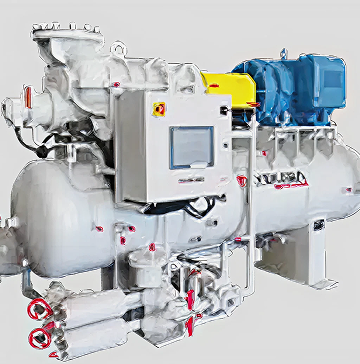
- Ammonia: Excellent thermodynamic properties, requiring less charge for the same cooling duty. Higher Coefficient of Performance (COP).
- Freon: Less efficient at large scale, requiring more refrigerant charge and energy consumption.
- Advantage: Ammonia plants consume 15–20% less energy than Freon systems in industrial applications.
• Safety Considerations
• Ammonia: Toxic in high concentrations and mildly flammable, but risks are managed with modern safety systems (detectors, ventilation, containment).
- Freon: Generally non-toxic, but many HFCs decompose into harmful gases when exposed to flame. Environmental risks are unavoidable.
- Advantage: Ammonia’s manageable risks outweigh Freon’s permanent environmental impact.
• System Capacity & Application
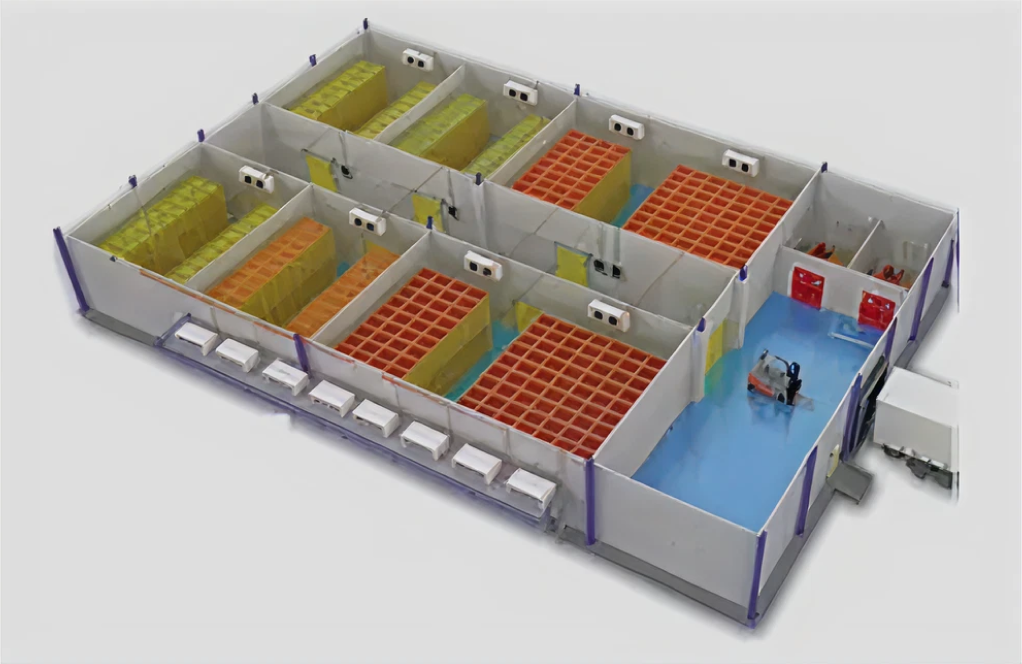
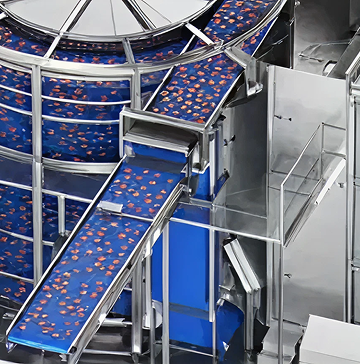
- Ammonia: Ideal for large-scale refrigeration such as cold storage, food processing, breweries, and petrochemicals.
- Freon: More suited to small-to-medium systems like supermarkets and air conditioning.
- Advantage: Ammonia is unmatched in capacity and performance for industrial use.